
Managing increased chemical stocks safely
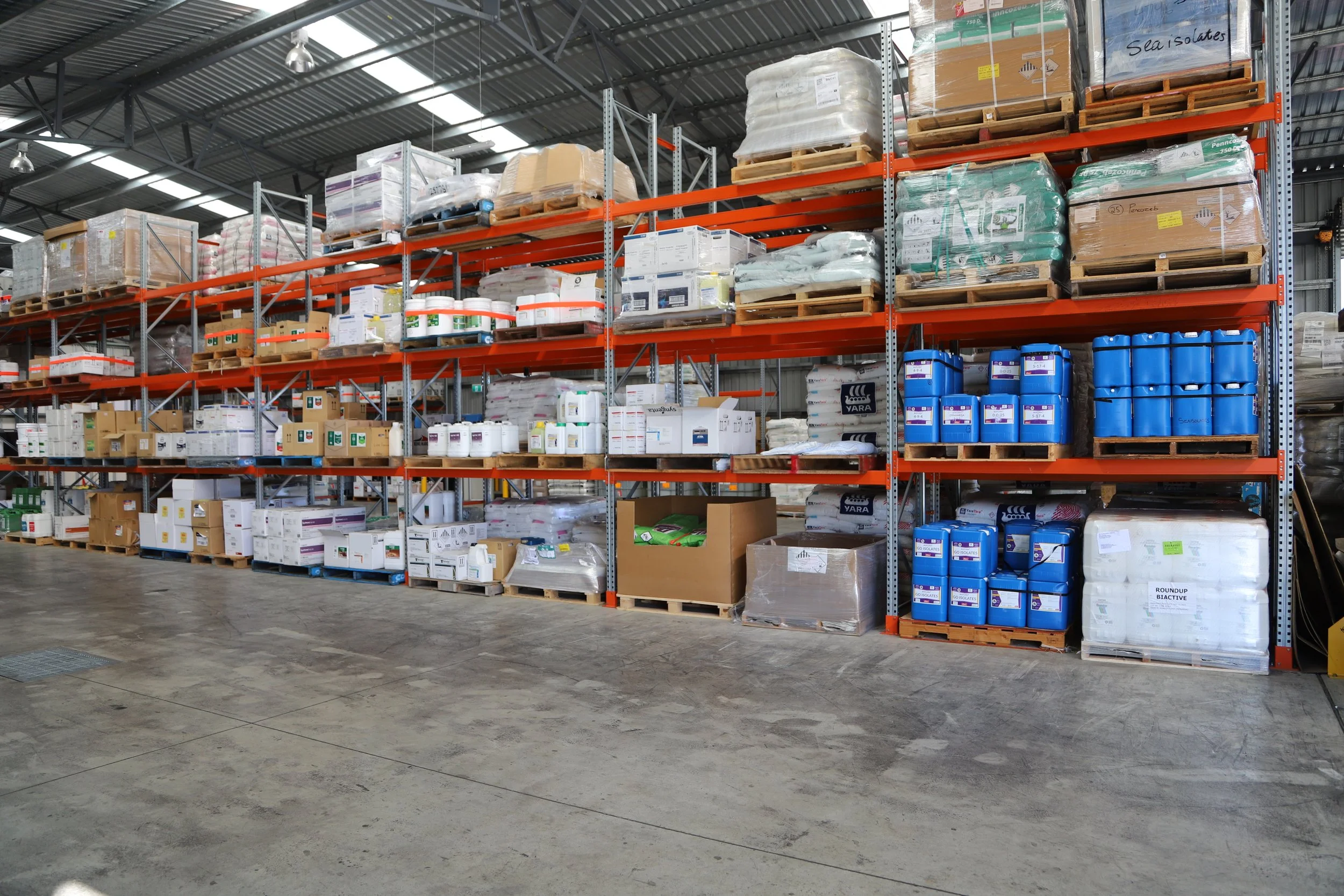
Supply chain disruptions and ongoing uncertainty around the availability of fuel, agricultural chemicals and other essential products may encourage businesses to hold additional stock. Increasing inventory can be an effective way to maintain business continuity, provided storage arrangements are reviewed to ensure they continue to support safe and compliant operations.
Planning for increased stock
As chemical quantities increase, it is important to ensure storage areas remain suitable for the volume and types of products on site. Australian work health and safety and dangerous goods legislation require businesses to manage the storage of flammable and combustible substances safely. Keeping only the quantities needed for operational requirements is an important part of good chemical management and supporting compliance.
Before increasing chemical stocks, businesses should undertake a risk assessment or consider the change through their management of change process. This provides an opportunity to review existing controls and confirm they remain appropriate before additional products arrive on site.
Review your storage arrangements
Storage conditions should also be reviewed. Chemicals should be stored in suitable locations that protect them from weather, provide adequate ventilation and include appropriate spill containment, such as bunding where required. Storage areas should be located away from environmentally sensitive areas, and all products—including those not classified as hazardous, such as plant nutrient solutions—should be assessed to ensure they are stored appropriately.
Organise chemicals correctly
Good organisation is equally important. Products should remain clearly labelled, be stored in suitable containers and be segregated from incompatible substances in accordance with their storage requirements.
Check your compliance requirements
It is also worthwhile reviewing compliance obligations. Increasing the quantity of hazardous chemicals on site may mean additional requirements apply for hazardous chemical registers, manifests, placarding or licensing. Where regulatory thresholds are exceeded, these records and controls should be updated.
Maintain good stock management
From a practical perspective, stock rotation remains an important part of good inventory management. Regularly monitoring expiry dates helps ensure products remain suitable for use and reduces unnecessary disposal costs.
Review emergency preparedness
Emergency preparedness should also be reviewed whenever storage arrangements change. Fire protection systems, spill response equipment, emergency procedures and site layouts should continue to reflect the quantity and location of chemicals stored on site. Additional stock may also influence traffic flow, access, ergonomics and everyday operating procedures.
Taking the time to review these considerations before increasing inventory helps businesses maintain safe, efficient and compliant workplaces while protecting people, property and the environment.