
Understanding Schedule 7 substances
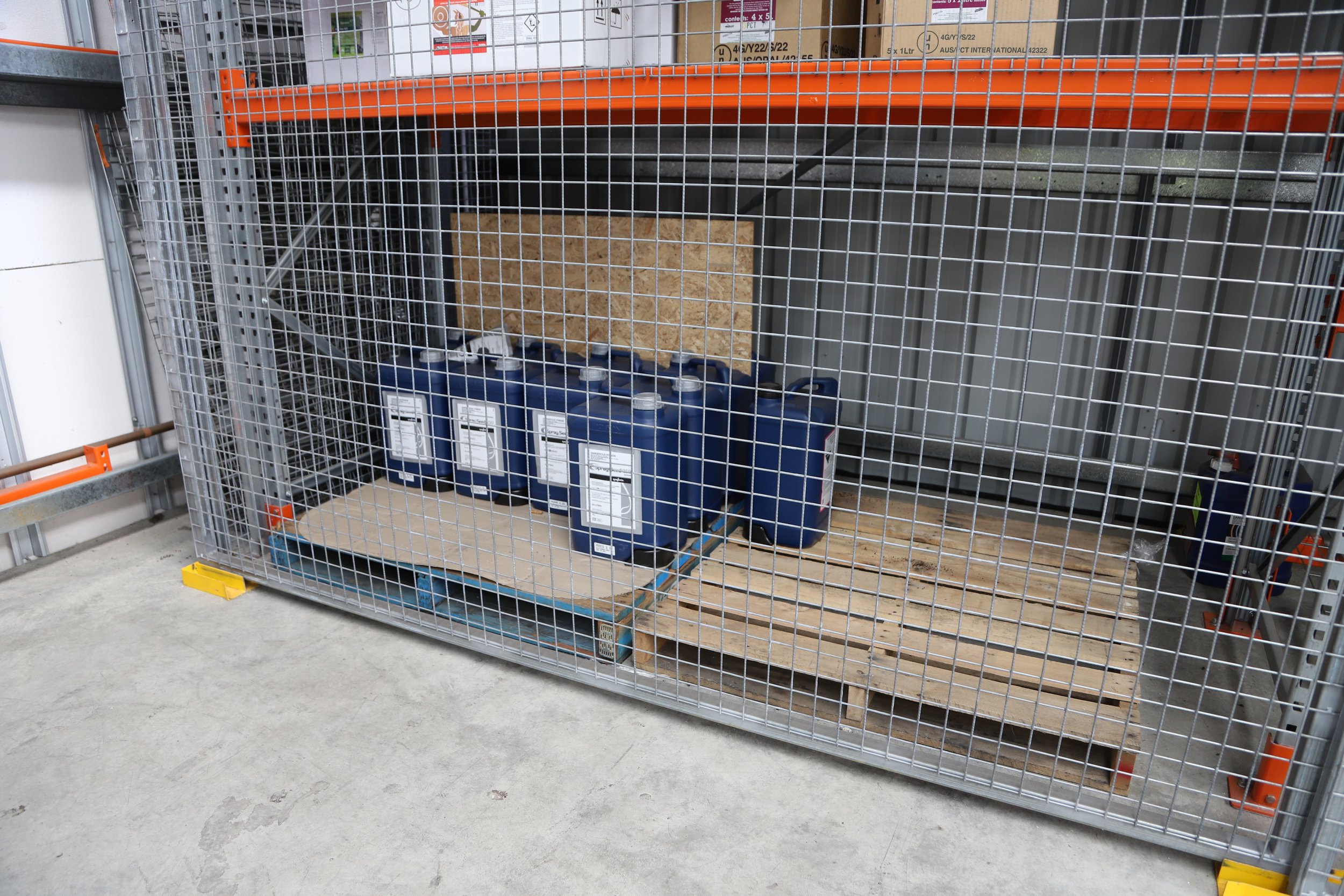
Many agricultural chemical retailers work with Schedule 7 substances as part of their everyday operations. While these products are a routine part of many businesses, they are subject to additional requirements for storage, supply and record keeping.
Understanding these requirements helps retailers manage Schedule 7 products confidently while maintaining compliance with the legislation that applies in their state or territory.
What is a Schedule 7 substance?
The Standard for the Uniform Scheduling of Medicines and Poisons (Poisons Standard) classifies medicines and chemicals into schedules. Each schedule has specific requirements relating to storage, supply, possession, use and disposal.
Examples of agricultural chemicals classified as Schedule 7 include products sold under trade names such as Fumitoxin, Supona, Methomyl and Gramoxone. Some products, including 1080 and PAPP, are classified as Restricted Schedule 7 substances, meaning additional legislative requirements may apply depending on the jurisdiction.
The product label and Safety Data Sheet (SDS) provide important information about the product's classification and should always be referred to when determining storage and supply requirements.
Storing Schedule 7 products
Schedule 7 products should be stored in a secure area with access restricted to authorised persons. They should not be displayed in publicly accessible areas, including retail sales floors or drive-through collection points.
Products should remain in their original containers with labels intact and be stored in accordance with the label directions and any applicable legislative requirements. Good stock organisation and regular inventory checks also help ensure products remain easy to identify and manage.
Supplying Schedule 7 products
Before supplying a Schedule 7 product, retailers should ensure any applicable purchaser authorisation requirements have been met. These requirements vary between states and territories and may include licences, permits, specified training or other legislative conditions.
Some jurisdictions also have additional requirements for the supply of Restricted Schedule 7 substances, including products such as 1080 and PAPP. Understanding the requirements that apply in your jurisdiction helps ensure products are supplied appropriately.
Record keeping
Accurate record keeping is an important part of managing Schedule 7 products. Retailers are generally required to record information such as the supplier and purchaser, the date of supply, the product supplied, the quantity and any purchaser authorisation required under state or territory legislation. These records must generally be retained for five years.
Maintaining accurate records also makes it easier to demonstrate compliance and respond to any requests from the relevant regulator.
Know your obligations
Legislative requirements for Schedule 7 products vary across Australia. Depending on the jurisdiction, businesses may require licences to possess or supply these products, and additional conditions may apply to their storage or sale.
Regularly reviewing your procedures, keeping staff informed and staying up to date with legislative requirements will help ensure Schedule 7 products continue to be managed safely, responsibly and in accordance with the law.
To learn more about the requirements for storing, handling and selling Schedule 7 poisons, complete Agsafe's ‘Storing, Handling and Selling S7 Poisons’ AgByte.