
Reducing risks around forklifts and mobile equipment
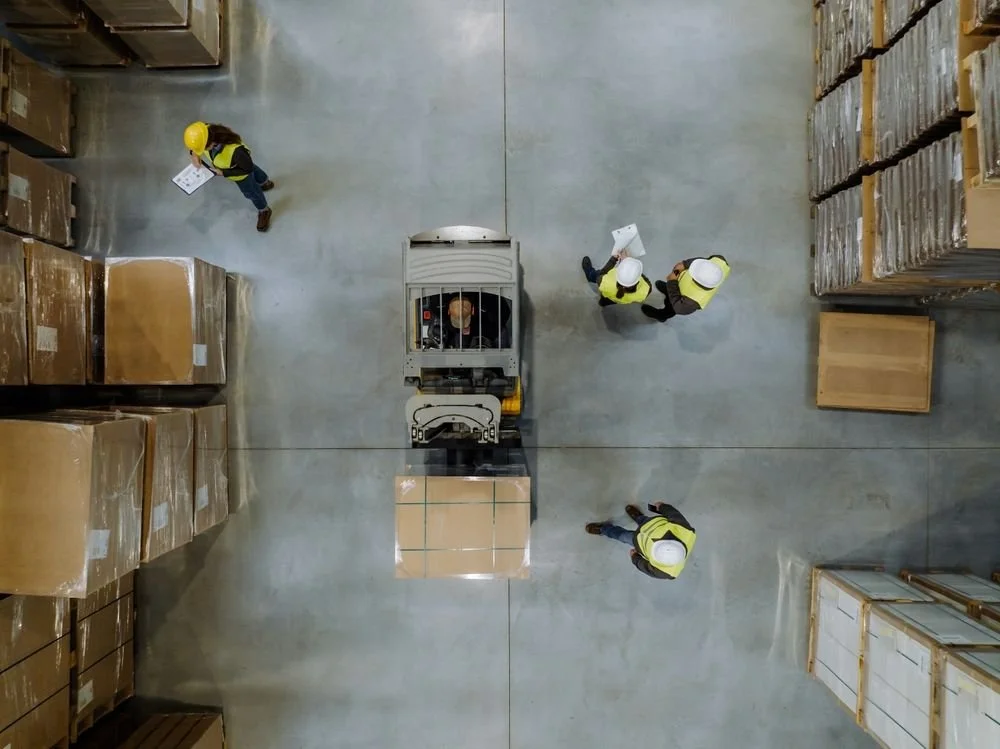
Safe Work SA and Safe Work NSW have issued safety alerts about the risks involving mobile plants and vehicles.
While most alerts focus on forklifts, one incident involved other onsite vehicles, making this relevant for all operations.
Why this matters
Incidents involving mobile equipment can lead to serious injuries or fatalities. Businesses must review traffic management and vehicle safety practices to reduce risks.
Practical steps to improve safety
1. Implement a traffic management plan
Ensure that your site has a well thought out and documented traffic management plan in place that considers how the site will minimize the interaction between mobile vehicles and foot traffic.
Where there are areas where this is unavoidable, ensure that there are suitable risk controls such as barriers or gates, driver waiting areas, marked pedestrian paths and crossings, signage, active communication methods such as spotters or onsite signaling and use of high visibility clothing.
2. Maintain mobile vehicles
Ensure that mobile vehicles are properly maintained. For forklifts, this involves completing the daily forklift checklist and ensuring that any concerns or issues such as poor brake performance are noted and passed on.
3. Understand site and vehicle limitations
Know the limitations of your site and your mobile vehicles. Mobile vehicles can have some weight behind them. Whilst braking systems should be engaged when not in use and operational, working on inclines pushes the limits of braking systems.
When working with a vehicle on a slope, other methods of minimizing the chance of vehicle rolling back, such as chucks or wedges, should be considered.
4. Don’t forget offsite risks
Whilst this information is concentrating on your retail or distribution sites, consider these risks where you have workers that will conduct work on other sites such as agronomists or delivery drivers.