
Safe chemical storage and disposal in changing conditions
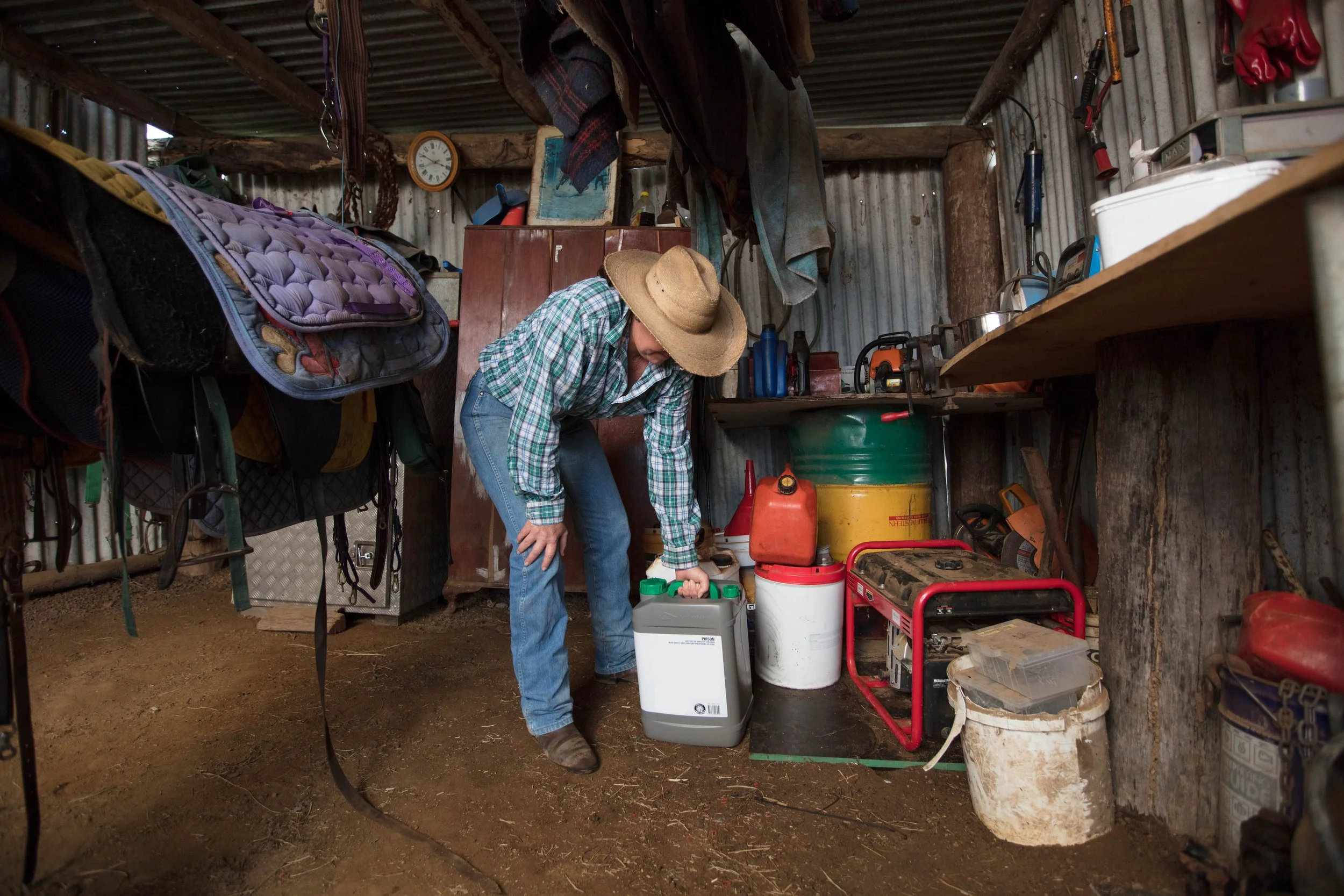
Safe storage starts with good planning
Extreme weather events such as bushfires, floods and severe storms can place additional pressure on how agricultural and veterinary (AgVet) chemicals are stored and managed. While these events can be unpredictable, taking a proactive approach to chemical storage and disposal can help reduce risks to people, property and the environment.
A well-planned storage area is the foundation of safe chemical management. Chemicals should be stored in a cool, dry and well-ventilated location, away from direct sunlight, ignition sources and areas that may be prone to flooding or water ingress. Products should always remain in their original containers with labels clearly visible and lids securely fastened to minimise the risk of leaks, contamination or accidental misuse. Where possible, bunded storage and secure shelving provide additional protection by containing spills and helping prevent containers from being damaged or displaced.
Organise your chemicals for safety
Good organisation is equally important. Incompatible chemicals should be stored separately to prevent dangerous reactions, while an up-to-date chemical register and readily accessible Safety Data Sheets (SDS) ensure important information is available when needed. Clear signage, restricted access and regular stocktakes also support safer workplaces by helping ensure hazardous chemicals are handled only by appropriately trained people and reducing the accumulation of obsolete products.
Be prepared for emergencies
Preparing for emergencies before they occur is another important part of chemical safety. Chemicals should be stored so they can be easily inspected, secured or relocated if changing conditions require it. Spill kits, absorbent materials and appropriate personal protective equipment should be readily available, while fire extinguishers and emergency contact information should be maintained and kept visible.
Dispose of unwanted chemicals responsibly
Responsible disposal is the final step in effective chemical management. Unwanted or obsolete chemicals should never be poured down drains, onto the ground or into waterways. Instead, use approved disposal programs such as ChemClear, and always follow the disposal instructions provided on the product label and Safety Data Sheet.
Reviewing chemical storage and disposal practices regularly helps ensure businesses remain prepared, regardless of the season or conditions. Small improvements made today can play an important role in protecting people, safeguarding the environment and reducing the impact of unexpected events.