
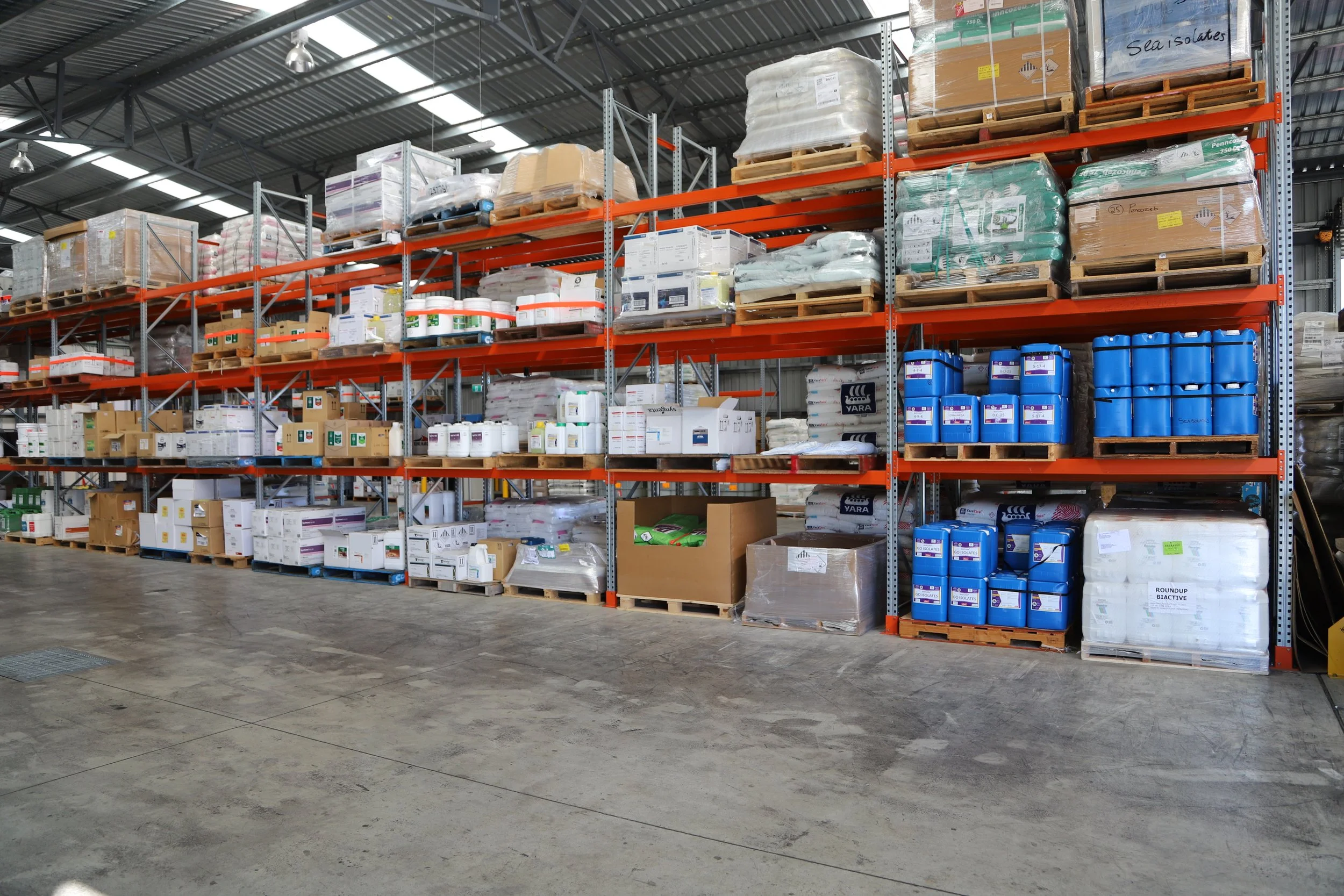
Managing increased chemical stocks safely
Supply chain disruptions and ongoing uncertainty around the availability of fuel, agricultural chemicals and other essential products may encourage businesses to hold additional stock. Increasing inventory can be an effective way to maintain business continuity, provided storage arrangements are reviewed to ensure they continue to support safe and compliant operations.
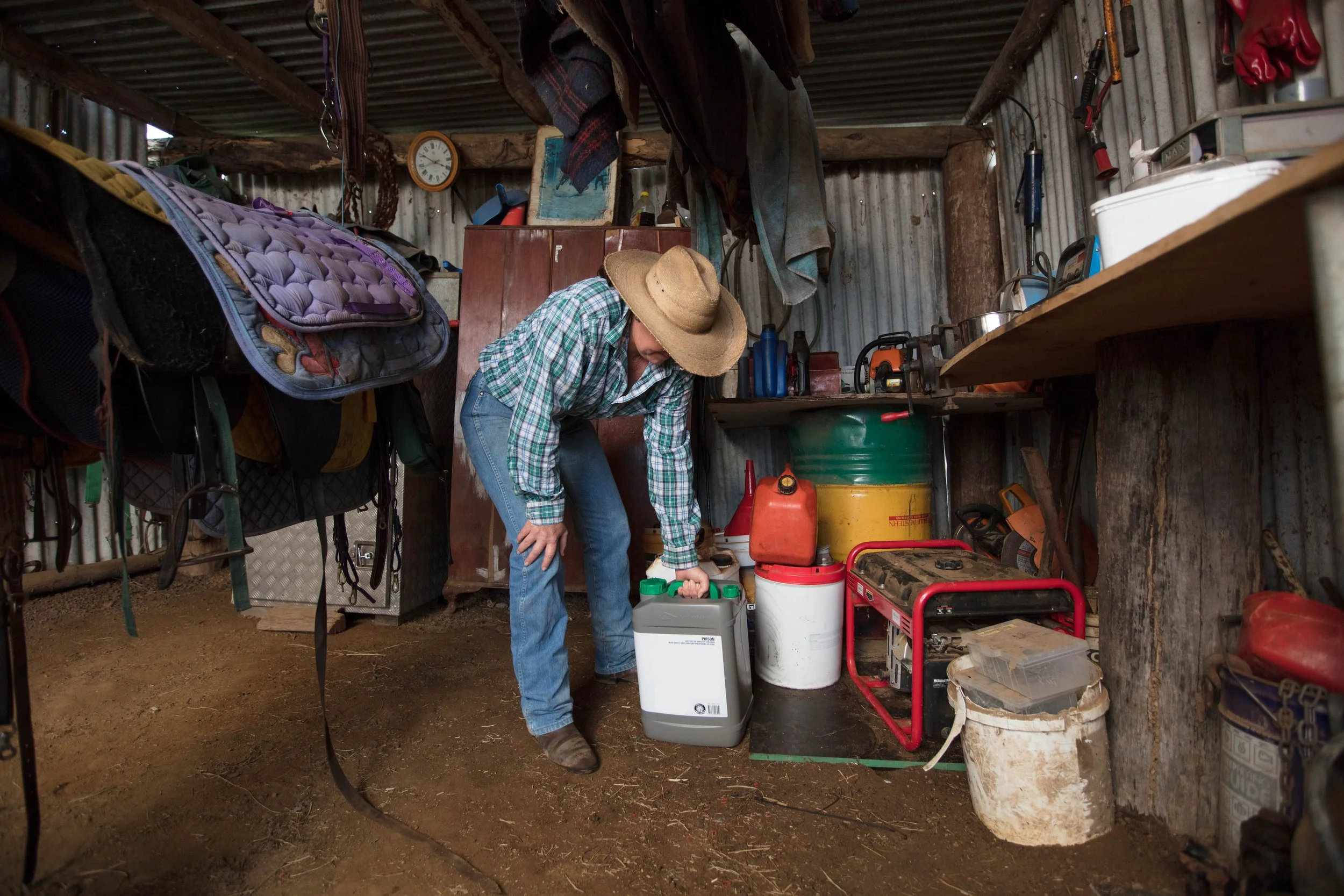
Safe chemical storage and disposal in changing conditions
Extreme weather events such as bushfires, floods and severe storms can place additional pressure on how agricultural and veterinary (AgVet) chemicals are stored and managed. While these events can be unpredictable, taking a proactive approach to chemical storage and disposal can help reduce risks to people, property and the environment. A well-planned storage area is the foundation of safe chemical management.
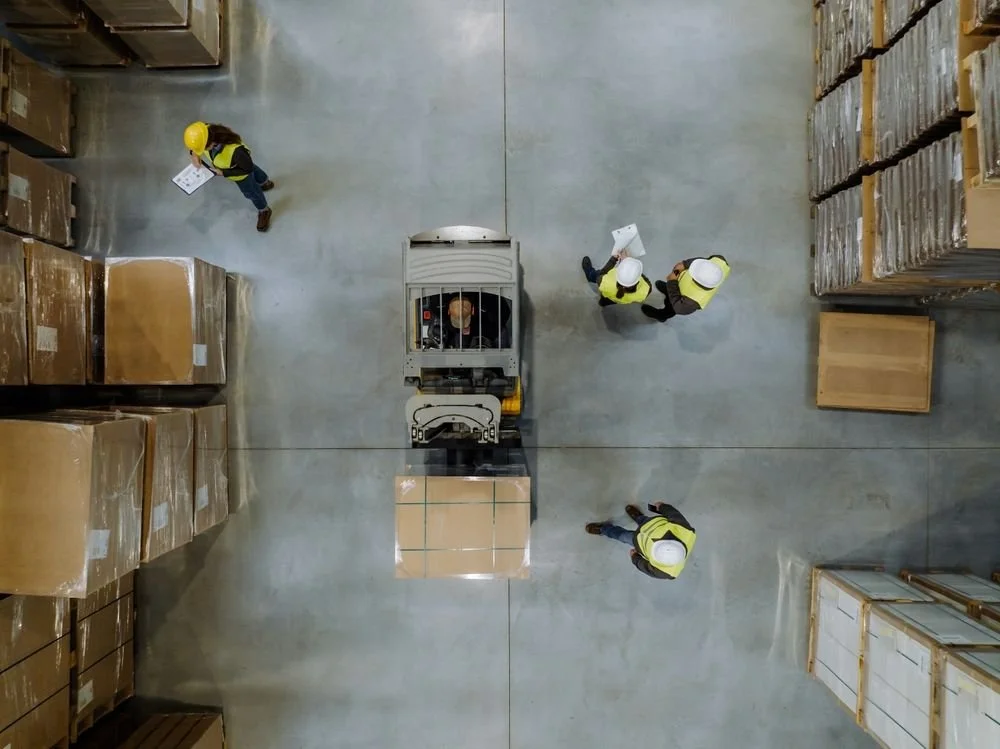
Reducing risks around forklifts and mobile equipment
Recent safety alerts highlight serious incidents involving forklifts and other mobile vehicles, including roll-away accidents and collisions with pedestrians. We've outlined a few practical steps to help keep your site and workers safe.

Workplace safety updates for AgVet businesses
Several significant regulatory changes have been introduced in recent months, impacting various aspects of workplace safety and compliance. Whilst most of these sit outside of the scope of Agsafe Industry Standard, below is a list of information that your business may need to consider and seek further guidance from the regulator or an external reliable consultant.
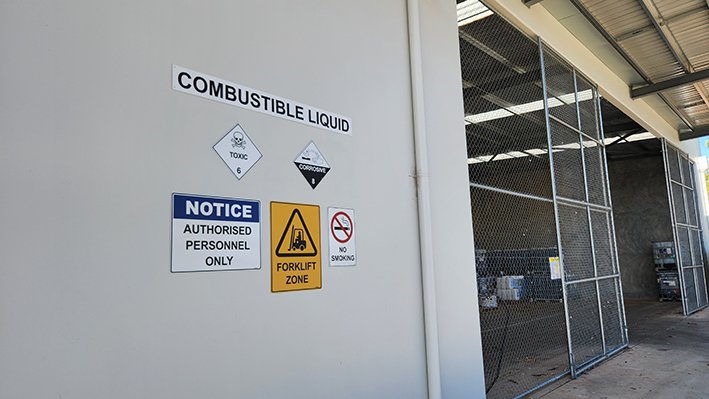
Understanding Placarding best practices
Placarding at agricultural and veterinary (AgVet) retail premises plays a crucial role in ensuring the safe storage of AgVet chemicals. It provides clear visual warnings and essential information to workers, visitors, and emergency service personnel. Proper placarding not only enhances workplace safety but also ensures compliance with relevant regulations. This article explores the key considerations for placarding, including when placards are required, where they should be placed, and how they should be maintained to ensure clarity and effectiveness.
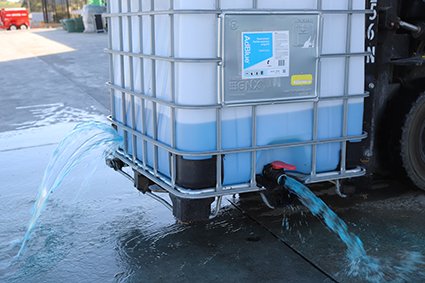
The importance of spill management and using a spill kit effectively
In workplaces handling hazardous chemicals, accidents such as spills are an unfortunate reality. Despite safety measures, spills of various sizes can occur, from minor leaks to major chemical accidents. Knowing how to prevent, manage, and clean up these spills is crucial to ensuring the safety of personnel, protecting the environment, and maintaining compliance with regulations.
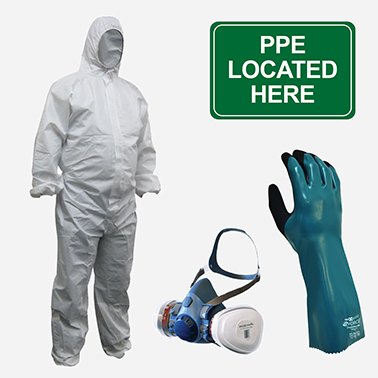
Maximise PPE effectiveness with proper storage, training, and maintenance
Personal Protective Equipment (PPE) serves as the last line of defence against hazardous exposures in the workplace. When all other risk control measures have been exhausted, PPE becomes essential in safeguarding personnel. However, the effectiveness of PPE hinges not only on its availability but also on the proper knowledge of its storage and use.
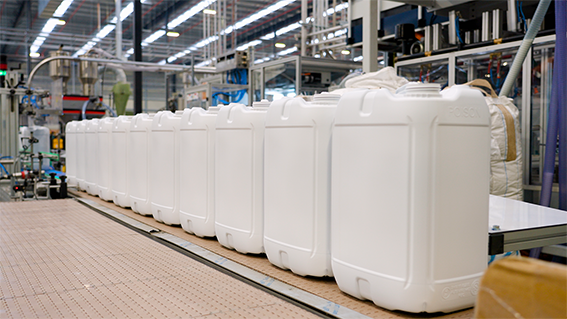
Advancing sustainability in Australian agriculture with the drumMUSTER Drums-to-Drums evolution
In today's agricultural industry, sustainability is more important than ever. The new drumMUSTER Drums-to-Drums initiative marks a significant step forward in recycling practices, building on the success of the drumMUSTER® program that has been in place since 1999.
Improving farm safety through chemical safety initiatives
This week serves as a reminder of the importance of being well-prepared and informed about the safe handling of chemicals on farms. Proper training in chemical safety is vital to ensure the well-being of farmers, their workers, and the environment.
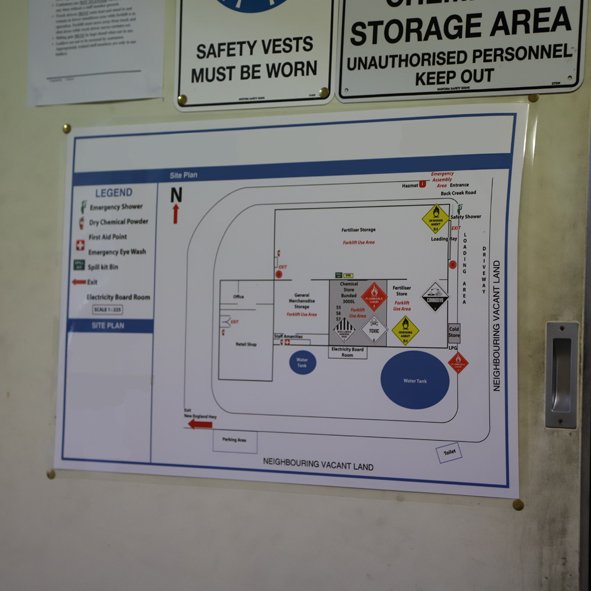
Are your evacuation diagrams correctly displayed?
In any building, especially those that host hazardous materials, the correct display of evacuation diagrams is crucial. These diagrams are vital for ensuring that individuals can quickly and safely exit the premises in the event of an emergency such as a fire, chemical spill, or natural disaster.